How Gutter Installation Helps Prevent Water Damage
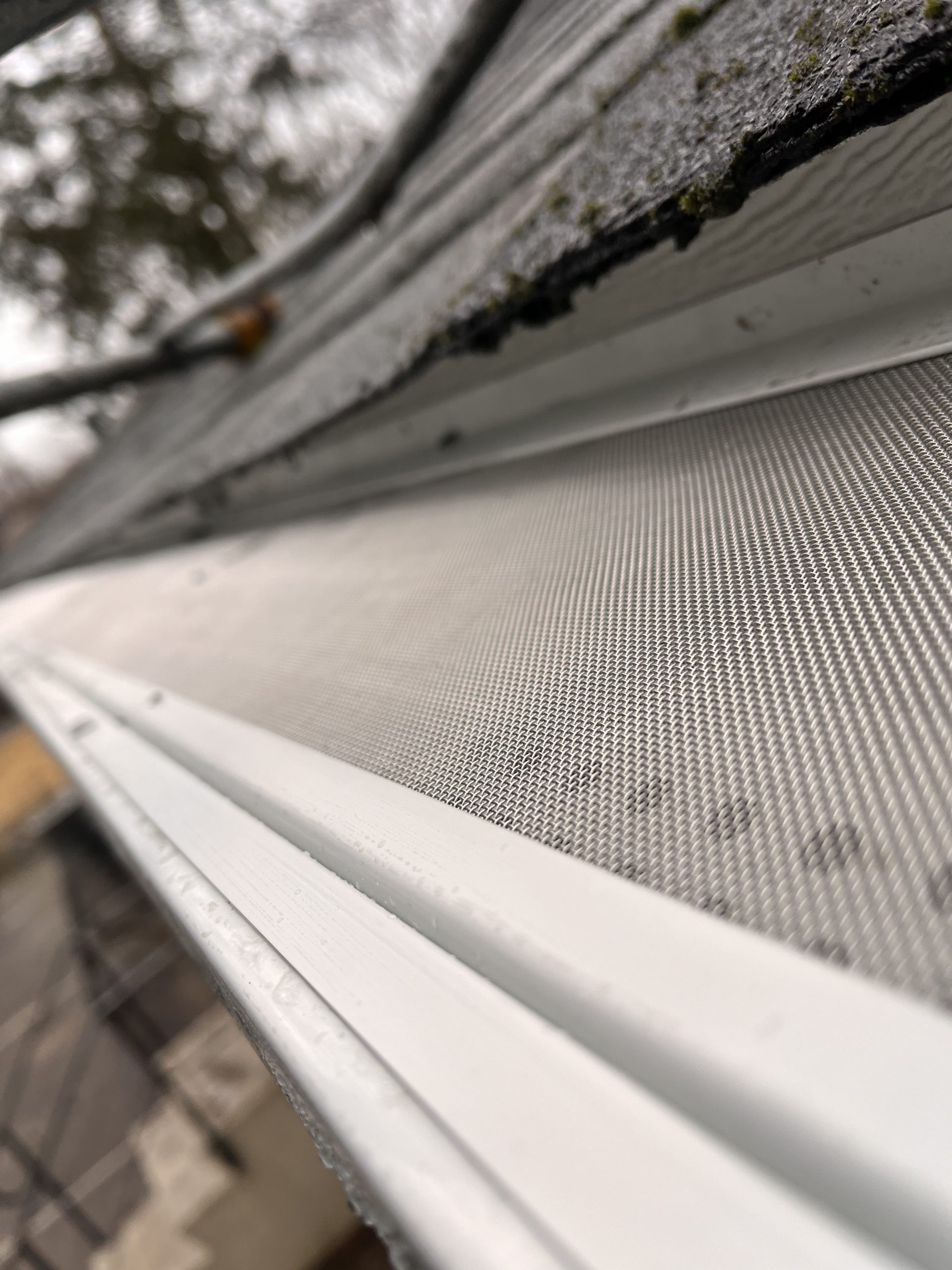
Water rarely causes dramatic damage all at once. More often, it works quietly. A little runoff spills over a roof edge during a storm. The soil along one wall stays damp for days. Paint blisters near a fascia board. A basement corner develops that stale, earthy smell homeowners learn to dread. By the time the damage becomes visible, the real problem has usually been in motion for months or even years.
That is why proper gutter installation matters so much. Gutters are not just trim attached to the roofline. They are part of the house’s water management system, and when they are planned and installed correctly, they direct thousands of gallons of rainwater away from vulnerable parts of the structure every year. When they are undersized, pitched incorrectly, poorly fastened, or missing altogether, water finds its own path. It usually chooses the worst one.
Anyone who has spent time around exterior repairs has seen the pattern. A homeowner calls about a stained ceiling or a cracked foundation wall, but the chain of events often starts outside, at the roof edge. The house was built to shed water, yet one weak link in that system allowed runoff to collect where it should never linger. Good gutter installation closes that gap.
The hidden force of roof runoff
Rainwater looks harmless when it falls from the sky. Once it lands on a roof, it becomes concentrated. Even a modest home can collect a surprising amount of water during a typical storm. A roof section of 1,000 square feet can shed hundreds of gallons from a single inch of rain. In a heavy downpour, that volume moves fast.
Without gutters, the runoff pours directly off the eaves and lands near the foundation. That repeated impact compacts soil, splashes dirt onto siding, erodes landscaping, and saturates the perimeter of https://privatebin.net/?b817fb3b1ab44208#Hatg4Dn9amt6mQVZjs6LGjA7qKoMWpKe6M9T2rrW6r7i the home. On houses with short overhangs, the wall assembly takes more abuse than many owners realize. Water can run down masonry, soak trim, and work its way into tiny joints around windows and doors.
The purpose of gutter installation is simple in theory and exacting in practice. Gutters catch runoff at the roof edge, channel it through sloped troughs, and deliver it to downspouts that discharge water at a safe distance from the structure. If every part of that path works, the house stays much drier. If one part fails, the system loses its value quickly.
Why water near the foundation becomes expensive
Foundation problems rarely have a single cause, but poor drainage is often a major contributor. Soil expands when it absorbs water and contracts when it dries out. That movement places stress on foundation walls and footings. In clay-heavy soil, the effect is especially pronounced. Too much water near the base of the home can increase hydrostatic pressure against basement walls, which raises the chance of cracks, seepage, and long-term structural movement.
This is where gutter installation earns its keep. By intercepting roof runoff and sending it away from the house, gutters reduce the amount of water soaking into the soil right beside the foundation. That reduction may seem modest during one storm, but over the course of a season, it makes a real difference.
I have seen homes where the front flower beds looked lush and healthy, yet the basement behind them had recurring dampness. The issue was not mysterious. The gutters were either clogged or too short at the downspouts, so every storm dumped water into the same narrow strip of ground. Once the drainage path was corrected, the basement humidity dropped and the seepage stopped. No dramatic excavation was needed, just proper control of the water that should never have been there in the first place.
Siding, trim, and fascia take the next hit
When gutters are absent or improperly installed, the damage does not stop at ground level. Roof runoff can wash back onto the house itself. Overflowing gutters often spill behind the trough, where water reaches fascia boards, soffits, and the ends of rafters. These areas are easy to overlook because they are high up and partially hidden, but they are critical to the roof edge.
Wood trim exposed to repeated wetting starts to soften, split, and rot. Paint fails early. Fasteners loosen. On older homes, I have seen gutter replacement turn into fascia replacement because the original installation allowed water to sit where it should have drained. A homeowner thought they needed “new gutters,” but what they really needed was a correctly pitched system with proper apron flashing and secure attachment points.
Vinyl and fiber cement siding resist water better than raw wood, but they are not invulnerable. Splashback from runoff can stain lower courses, force moisture into seams, and encourage mold growth in shaded areas. Brick veneer is durable, yet mortar joints can still suffer when exposed to chronic wetting and freeze-thaw cycles. Gutters are not a cosmetic accessory in these cases. They are the first line of defense.
Roof edges are only as strong as the drainage details
Many people assume any gutter attached to a house is doing its job. In reality, performance depends heavily on the installation details. The slope has to be correct, the outlet placement has to make sense, and the gutter size has to match the roof area and local rainfall intensity. Those decisions separate a system that works quietly for years from one that overflows every hard storm.
A poorly pitched gutter might hold standing water long after the rain ends. That extra weight strains hangers and invites corrosion. In winter climates, it also contributes to ice formation. If the back edge is too low or the drip edge is wrong, water can curl behind the gutter instead of into it. If downspouts are undersized or too few, water backs up and spills over the front lip.
This is why professional gutter installation is not just about fastening metal along the eaves. It requires reading the roofline, understanding water volume, and planning a path that the runoff will actually follow under real storm conditions.
The connection between gutters and basement moisture
Basement moisture has a way of misleading homeowners. If the problem appears indoors, people naturally focus indoors. They buy a dehumidifier, patch a crack, or repaint a stained wall. Those steps can help, but if the roof drainage still dumps water against the foundation, the underlying pressure remains.
Proper gutter installation reduces one of the most common sources of basement moisture by limiting the amount of water entering the soil immediately around the home. That matters in both finished and unfinished basements. In a finished space, water intrusion can ruin flooring, drywall, insulation, and furniture. In an unfinished basement or crawl space, constant dampness can still trigger mold growth, rust, wood decay, and pest activity.
There is also a comfort issue that often gets overlooked. Houses with poor exterior drainage tend to feel more humid. They may smell musty, and HVAC systems have to work harder to keep conditions stable. Diverting roof runoff away from the structure often improves more than just the building envelope. It improves daily livability.
Erosion is slow, then suddenly obvious
Landscaping damage is one of the clearest signs that a home lacks adequate gutters or downspouts. Mulch washes away. Trenches form under the drip line. Decorative stone migrates into the lawn. Plant roots become exposed. On sloped lots, the problem becomes more severe because gravity adds speed to the runoff.
The trouble is not purely cosmetic. Erosion changes the grade around the house. Once the soil begins to move, low spots and channels can direct more water back toward the foundation instead of away from it. It becomes a feedback loop. Each storm makes the drainage pattern slightly worse.
A well-executed gutter installation helps preserve the intended grade by collecting runoff before it can carve up the soil. The downspouts then discharge to splash blocks, extensions, underground drains, or daylight exits, depending on the property layout. There is no one-size-fits-all solution here. A flat suburban lot calls for a different approach than a steep site with dense clay or a tight urban property line.
Climate changes the stakes
Not every house faces the same water load. A home in a dry region with occasional short storms has different needs than one in a coastal or humid climate where downpours are frequent and prolonged. Snow country adds another layer of complexity. Ice, snowmelt, and freeze-thaw cycles can punish weak gutter systems.
This is one reason generic advice falls short. Gutter installation should reflect local conditions. In regions with heavy rainfall, larger gutters and downspouts may be justified. In wooded areas, debris load matters as much as water volume. In cold climates, placement, pitch, and fastening methods have to account for ice and snow shedding off the roof.
I have seen homeowners choose the cheapest available option, only to discover during the first major storm that the system could not handle the roof section over a large valley. Water sheeted right over the edge like the gutter was not even there. They did not have a “gutter problem” so much as a design problem. The system was too small for the way that roof concentrated runoff.
Common installation mistakes that lead to water damage
Some of the most expensive water problems begin with mistakes that seem minor at the time of installation. A half inch of bad pitch across a long run can leave water standing. Spacing hangers too far apart can cause sagging under load. Ending a downspout too close to the house can defeat the purpose of the whole system.
The most frequent trouble spots include:
- Gutters pitched too flat or in the wrong direction.
- Downspouts placed without regard to grade or discharge distance.
- Fasteners pulling loose from rotted fascia or weak attachment points.
- Gutters sized too small for roof area, valleys, or local rainfall.
- Joints and seams left vulnerable in places with high water flow.
None of these issues are especially glamorous, but all of them matter. Water is persistent. It takes advantage of every shortcut.
Seamless versus sectional gutters
One practical decision during gutter installation is whether to use sectional gutters or seamless gutters. Sectional systems are assembled from pre-cut lengths joined together at seams. They are widely available and can be cost-effective, especially for smaller projects or straightforward repairs. Their weakness is predictable. More seams mean more potential leak points over time.
Seamless gutters are formed in long continuous runs that fit the house, with joints typically limited to corners and downspout outlets. That reduces leakage risk and often creates a cleaner appearance. For many homes, seamless systems are the better long-term choice, particularly on long rooflines where sectional joints would be numerous.
That said, material quality and installation quality still matter more than the word “seamless” on its own. A badly pitched seamless gutter will still overflow. A seamless gutter attached to decayed fascia will still fail. The product and the workmanship have to work together.
Material choices affect longevity, not just price
Aluminum is popular for good reason. It is relatively lightweight, resists rust, and works well for most residential applications. Steel is stronger but more vulnerable to rust if coatings fail. Copper lasts a long time and develops a distinctive patina, though it comes at a premium price. Vinyl can be inexpensive, but in climates with intense sun or hard freezes, it often ages poorly compared to metal.
The right choice depends on budget, climate, appearance goals, and expected maintenance. What matters for water damage prevention is not choosing the fanciest material. It is choosing a material appropriate for the home and installing it correctly.
A coastal property, for example, may need extra attention to corrosion resistance. A house under mature trees may benefit from heavier-duty fastening because debris and water load increase stress on the system. These are the kinds of judgment calls that improve real-world performance.
Gutters do not work alone
Even excellent gutter installation cannot compensate for every drainage defect. Roof drainage is one piece of a larger system that includes grading, flashing, soffit ventilation, roof condition, and foundation waterproofing. If the yard slopes toward the house, if the downspouts empty into clogged underground lines, or if the roof has failing flashing, water problems may persist.
This does not reduce the importance of gutters. It clarifies it. Gutters are most effective when they are integrated with the rest of the home’s water management strategy. A good installer or exterior contractor should look beyond the trough itself and ask practical questions. Where will this downspout discharge? Does the grade support runoff moving away? Is the fascia sound enough to anchor the system? Is there evidence of previous overflow or backflow?
Those questions often reveal why one house with gutters still suffers water damage while another stays dry through the same storms.
Maintenance protects the investment
Even the best gutter installation needs periodic attention. Leaves, twigs, roofing granules, and seed pods all interfere with flow. A partially clogged downspout can turn a well-designed system into an overflowing one. Homeowners do not need to obsess over gutters, but they do need a maintenance routine that fits the property.
A sensible approach usually includes:
- Inspecting gutters and downspouts at least twice a year.
- Clearing debris after heavy leaf drop or major storms.
- Checking for sagging sections, leaks, and loose fasteners.
- Confirming downspouts still discharge well away from the foundation.
- Watching for stains or erosion that suggest overflow.
Gutter guards can help in some situations, especially under certain tree types, but they are not maintenance-free. In some cases they reduce clogging significantly. In others they create a false sense of security while fine debris still accumulates. Their value depends on the product and the site conditions.
What homeowners should notice before damage spreads
Most water damage gives warning signs. The trick is recognizing them early enough to act. Overflow marks on the outside of gutters, peeling paint near the roofline, soil washout below the eaves, mildew on siding, and damp basement corners all point back to drainage. So do subtle clues like gutters that stay full long after rain, or downspouts that dump water into beds only a foot from the wall.
When these signs appear, the answer is not always full replacement. Sometimes the fix is simpler: adjust pitch, add a downspout, extend discharge, reseal a leaking outlet, or replace damaged fascia before rehanging the system. Other times, especially on older homes with undersized or badly deteriorated gutters, a full new installation makes more sense.
What matters is resisting the temptation to treat symptoms only. If water is collecting where it should not, find the path it is taking and correct it at the source.
The long view on cost
Homeowners often hesitate over gutter installation because it feels preventative rather than urgent. A kitchen remodel is visible. New flooring is tangible. Gutters sit outside and do their job quietly when nobody notices them. Yet from a financial perspective, they often protect far more value than they cost.
Compare the price of a properly installed gutter system with the price of foundation repairs, basement remediation, fascia replacement, interior mold cleanup, or repainting damaged exterior trim. Water damage is one of the most expensive categories of home repair because it rarely stays confined to one area. Moisture affects structure, finishes, air quality, and sometimes electrical systems. Preventing that chain reaction is where gutters prove their worth.
There is also resale value to consider. Buyers notice drainage issues, even if they cannot always diagnose them. Erosion near the house, water-stained soffits, musty basement air, and neglected gutters all suggest deferred maintenance. A clean, functional drainage system signals that the home has been cared for in practical ways.
A small system with a big job
Gutters do not get much credit when a house stays dry. That is part of their nature. Their success is mostly invisible. But that quiet performance is exactly what makes them essential. Proper gutter installation controls roof runoff before it can attack the foundation, siding, trim, landscaping, and lower levels of the home. It turns random water movement into managed drainage.
For a system that appears so simple, the margin between good and bad results is surprisingly narrow. A careful layout, proper sizing, solid attachment, correct pitch, and thoughtful downspout discharge all matter. When those pieces come together, the home has a far better chance of avoiding the slow, expensive spread of water damage.
That is the real value of gutters. They do not just move rain. They protect the parts of a house that are hardest and costliest to repair once water gets in.
Just Gutters LLC
Address: 262 Main St, Hackettstown, NJ 07840
Phone number: +12013319454
FAQ About Gutter Installation Hackettstown
Can I install a gutter myself?
Yes, you can install gutters yourself. DIYers typically use aluminum or vinyl sections from home improvement stores. The project requires basic tools, precise measuring, and comfort working on ladders. Key steps include snapping a chalk line for a slight slope (1/4 inch per 10 feet toward downspouts), securing hangers every 2 feet, and caulking all joints securely.
How much does body contouring usually cost?
The Home Depot typically charges between $1,000 and $3,600 for a standard professional gutter installation on a typical single-family home with 200 linear feet of gutters. Calculated on a per-foot basis, the cost usually ranges from $5 to $18 per linear foot, highly dependent on the material you select.
How much does a 40 ft seamless gutter cost?
A 40 ft seamless gutter run will cost between $240 and $1,120+ fully installed, depending on the material you choose. Because seamless gutters require specialized on-site fabrication machines, they are rarely sold as DIY kits and are priced per linear foot.