Why Gutter Repair Hackettstown Is Crucial Before Winter

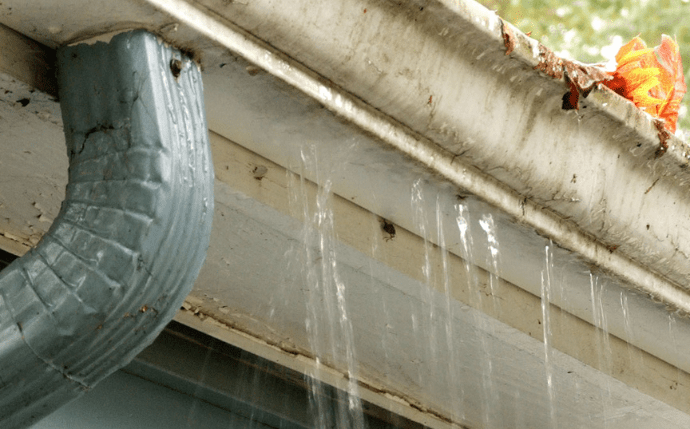
The last weeks of fall are when small gutter problems stop being cosmetic and start becoming expensive. In a place like Hackettstown, where cold rain can turn to ice overnight and heavy leaf drop is part of the seasonal routine, damaged gutters rarely stay minor for long. A loose bracket, a separated joint, or a section pitched the wrong way can send water exactly where you do not want it, against siding, behind trim, along the foundation, or onto walkways that freeze by morning.
Homeowners often notice roof issues first because the roof is the obvious line of defense. Gutters are easier to ignore. They sit at the edge of the house, doing their work quietly, until they fail during the worst possible weather. By then, the repair is no longer just about the gutter. It may involve soffits, fascia, insulation, basement moisture, landscaping, or even interior drywall if water finds a path inside.
That is why Gutter Repair Hackettstown becomes so important before winter settles in. The timing matters as much as the repair itself. Address a problem in October or November and you are usually dealing with a straightforward fix. Wait until a freeze-thaw cycle gets involved, and the scope can change fast.
Winter changes the stakes
A gutter system has one basic job, move roof runoff safely away from the house. In warm weather, an imperfect system might still limp along. Water drips where it should not, but it evaporates. The ground dries out. A minor overflow leaves a stain and little else. Winter is less forgiving.
Once temperatures drop, standing water in a sagging gutter freezes. That ice adds weight. Weight pulls fasteners loose. Loose fasteners change the pitch, which traps more water, which creates more ice. What could have been a simple reseal or bracket replacement turns into a section that bends, cracks, or tears away from the fascia.
Ice also changes how water behaves around the roof edge. Instead of flowing cleanly through the trough and downspout, it can back up behind debris or frozen sections. That backup may force meltwater under shingles or behind flashing. Even a well-built home can suffer when water starts moving in directions the building envelope was never meant to handle.
Hackettstown winters are not always a deep-freeze from start to finish. The more common pattern is fluctuation, cold nights, milder afternoons, rain followed by freezing temperatures. That variation is rough on gutters because it repeats the expansion-and-contraction cycle. Sealants fail. Small metal separations widen. Existing weak spots do not stay stable.
What often goes wrong in Hackettstown homes
Homes in and around Hackettstown vary in age, roofline, tree cover, and drainage layout. Those differences matter. A newer home can have trouble if the installation was rushed or if downspout placement was poorly planned. An older home may have durable materials but aging hangers, patched seams, or fascia wood that has softened over time.
Tree cover is one of the biggest local factors. Many properties have mature maples, oaks, and pines close enough to the roofline to create a steady supply of leaves, twigs, seed pods, and needles. During fall, gutters fill quickly. Once that debris gets wet and compacted, it behaves less like loose leaves and more like a dense dam. Water slows, overflows, and sits. By early winter, that wet organic layer can freeze into place and block the channel entirely.
Roof design creates another common issue. Valleys discharge large volumes of water into concentrated spots. If the gutter below the valley has any weakness, even a small one, the force of the water exposes it. During a hard rain, you may see water shooting over the front lip, slipping through a seam, or spilling at an inside corner. That kind of overflow is not just messy. In cold weather, it can create dangerous ice near entryways or driveways.
I have also seen many homes where the gutters were technically intact, but the downspouts were not doing enough. They discharged too close to the foundation, or one downspout handled more roof area than it reasonably should. Before winter, that matters because saturated soil near the house can contribute to frost heave, water seepage, and repeated icing in the same spots.
The hidden damage starts below the gutter line
When people think about gutter failure, they often picture water cascading over the edge. What they do not always see is what happens behind and beneath the system. Overflow and leaks usually follow gravity, but they also follow surfaces. Water clings to fascia boards, wraps under trim, and travels down siding. It pools near the foundation. It seeps into mulch beds and low spots where drainage is already weak.
That is why a repair that seems small from the ground can protect much more than the gutter itself.
If a seam leaks over a front porch, the immediate concern may be staining. But repeated saturation can soften painted wood, loosen joints, and create the conditions for rot. If a rear downspout pulls away from the wall, the visible issue is a crooked pipe. The less visible issue may be water repeatedly collecting against the foundation, finding hairline cracks, and raising the humidity in a basement or crawl space.
Winter amplifies these problems because water expands when it freezes. Tiny cracks in mortar or concrete can widen. Wet wood fibers can split. A patch of soil that stayed merely muddy in October can become a sheet of ice in December. The damage chain often begins with a gutter and ends somewhere homeowners did not expect.
Small repairs that make a big difference
Not every gutter problem requires replacement. In fact, a lot of pre-winter work involves targeted repairs that restore function without overbuilding the solution. Good judgment matters here. A contractor should not sell a full system when a section-by-section approach makes more sense, but they also should not keep patching a gutter that has reached the end of its practical life.
Some of the most valuable repairs are not dramatic at all. Refastening loose hangers, correcting pitch, resealing joints, clearing hidden clogs at elbows, and replacing crushed downspout sections can change how the whole system performs. These are the sorts of fixes that tend to pay for themselves by preventing secondary damage.
Here are common signs that a repair should happen before the first sustained freeze:
- water spilling over the front edge during normal rain
- gutters pulling away from the fascia or looking uneven
- staining, mildew, or peeling paint beneath gutter runs
- puddles forming near the foundation after storms
- icicles or ice patches developing in the same area each winter
A homeowner may notice only one of these signs, but they often come in clusters. Overflow and pull-away usually point to debris, bad pitch, or weakened fastening. Staining and paint failure suggest water has been escaping longer than you realized. Repeated icing in one spot usually means the drainage path is compromised.
Timing matters more than many people realize
There is a practical reason local professionals get busy in late fall. Once daytime temperatures stay low, certain repair materials become less cooperative. Sealants may not cure as reliably. Frozen debris becomes harder to remove cleanly. Ladder work is riskier on icy ground. Wind also becomes a factor, especially on two-story homes where safe access is already more demanding.
Repairing gutters before winter is not just proactive, it is operationally smarter. Crews can inspect the system accurately during and after rain, identify where water is escaping, and complete adjustments under better conditions. Homeowners also avoid emergency pricing and holiday-season scheduling bottlenecks that tend to appear after the first major freeze.
There is another timing issue many people miss. Once snow arrives, it hides evidence. You cannot easily see subtle sagging under a ridge of snow or identify the exact seam that leaked during the last storm. By then, diagnosis becomes less precise. A problem that could have been isolated in November may need to wait until a thaw, all while the house continues taking on avoidable moisture.
For anyone searching for Gutter Repair Hackettstown, the best window is usually after most leaves have dropped but before winter weather starts cycling hard. That timing allows for a proper cleaning, a real https://angeloaqgk574.bearsfanteamshop.com/budget-friendly-gutter-repair-in-hackettstown-without-cutting-corners inspection, and repairs that are not being rushed between storms.
Repair versus replacement, using judgment instead of habit
One of the more common homeowner questions is whether to repair the existing gutter system or replace it outright. There is no honest one-size-fits-all answer. The right call depends on age, material, number of failure points, and the condition of the fascia behind the gutter.
If a gutter run is structurally sound and the trouble is localized, a repair is usually sensible. A separated seam at an inside corner, a few loose hangers, or one poorly draining section can often be corrected without much disruption. If the metal is intact and the profile still holds shape, repairing preserves value.
Replacement starts making more sense when problems are widespread. If you have multiple sagging runs, repeated leaks at old seams, corrosion in several places, and evidence of rotted backing wood, the labor involved in continual patching can exceed the benefit. At that point, a fresh system may be the cleaner investment.
A careful contractor will also look at roof runoff volume. Some older systems are simply undersized for the roof area they serve, especially near valleys or additions. In that case, repair alone may restore function only partially. The homeowner deserves to know whether the system is failing because of age, damage, or original design limitations.
The cost of waiting is rarely just the gutter
Many repair calls start with the sentence, “It only looked like a little drip.” That is the nature of water. It does not need a dramatic opening. It only needs time.
Consider a routine scenario. A short section above a garage leaks at the seam. The homeowner notices it during a fall rain but puts it off, assuming winter is close and everything can wait until spring. Over the next few months, water continues wetting the fascia and the top of the garage door trim. Temperatures swing above and below freezing. The seam opens more. Paint blisters. The trim swells. Ice forms on the driveway edge where runoff lands. By March, the repair includes gutter work, carpentry, scraping and repainting, and sometimes concrete surface damage from repeated freeze-thaw exposure. What began as a modest service call becomes a wider exterior restoration job.
That pattern repeats around basements too. A clogged or detached downspout allows roof water to dump near the foundation all winter. The owner might not notice until spring, when the lower wall shows dampness or the basement smells musty. The problem feels new, but the conditions were created months earlier.
Pre-winter Gutter Repair Hackettstown is often less about saving the gutter and more about interrupting that chain reaction.
Why DIY can be more expensive than it looks
There are homeowners who are perfectly capable of basic gutter maintenance. Clearing leaves from a one-story ranch on a dry day is one thing. Diagnosing structural gutter issues before winter is another.
The challenge is not just height. It is correctly identifying why the system is failing. People often focus on the visible symptom and miss the cause. They clean out debris, but the pitch is still wrong. They add sealant to a leaking seam, but the gutter is twisting because hangers have loosened from compromised fascia. They reattach a downspout, but the discharge still empties too close to the foundation.
There is also the matter of safety. Late-fall ladder work involves slick leaves, soft soil, cold metal, and shorter daylight hours. A repair that seems minor from the ground may require stabilizing long sections, opening hidden blockages, or replacing fasteners in areas with limited footing. None of that is worth a trip to the emergency room.
A professional inspection often reveals adjacent issues that a homeowner would not spot from a ladder. Rot behind the gutter, flashing gaps, or sections where the roof edge has been taking splashback are easy to miss if you are focused only on the obvious leak.
What a thorough pre-winter inspection should include
A proper inspection is not just someone glancing along the roofline and saying the gutters look fine. It should involve water movement, fastening integrity, discharge points, and the condition of the surfaces the gutter attaches to. If the home has had recurring winter icing, the inspection should also consider whether the gutter issue is part of a broader roof ventilation or heat-loss problem.
A solid pre-winter evaluation usually covers:
- debris load and hidden clogs in outlets or elbows
- pitch and water flow across each run
- hanger security and fascia condition
- seam, corner, and end-cap integrity
- downspout discharge location relative to foundation and walkways
That last point deserves more attention than it gets. A gutter can be perfectly attached and still perform poorly if the downspout empties in the wrong place. Before winter, redirecting discharge away from foot traffic and foundation corners can prevent ice buildup and moisture trouble at the same time.
Gutters, ice dams, and the limits of repair
It is worth noting that not every winter water problem is purely a gutter problem. Homeowners sometimes blame gutters for ice dams that are partly caused by attic heat loss or poor ventilation. Warmth escaping through the roof melts snow unevenly. That meltwater runs to the colder eaves and refreezes, forming a dam that blocks drainage.
A damaged or clogged gutter can worsen this process by trapping water at the roof edge. But even a repaired gutter may not fully solve recurring ice dam issues if the attic insulation and ventilation are out of balance. This is where experience matters. A contractor should be able to say, clearly, “Yes, the gutter needs repair, but there may be another contributing factor.”
That honesty helps homeowners spend money in the right order. Sometimes the correct path is repairing the gutter now to manage immediate runoff, then addressing attic performance before the next winter. Good exterior work is often about seeing the house as a system, not as isolated parts.
Choosing a local contractor in Hackettstown
Local knowledge counts with gutter work. A contractor familiar with Hackettstown homes understands the leaf load from mature neighborhoods, the freeze-thaw rhythm, and the way some lots hold water longer than others. They are more likely to ask the right questions: Where do you see icing first? Which side gets less sun? Has the basement ever taken on moisture during snowmelt? Does that rear valley overflow in cloudbursts?
Those details shape the repair. The best solution for a heavily shaded colonial may differ from what works on a sun-exposed ranch with a simple roofline. The right contractor will not approach both houses with the same standard patch.
When discussing repairs, look for specificity. You want to hear where the problem is, why it is happening, what the repair will address, and whether any related conditions should be monitored. Vague recommendations usually lead to repeat calls.
A house handles winter better when water is controlled
People prepare for winter in visible ways. They service the furnace, stack firewood, close up garden beds, and check weatherstripping. Gutters belong on that list, even if they do not get the same attention. They are one of the few systems that directly influence the roof edge, siding, foundation, and outdoor safety all at once.
When gutters work well, winter runoff leaves the roof, enters the trough, moves to the downspout, and exits away from the home. That controlled path protects finishes, structure, and footing around the house. When that path breaks down, water starts making its own decisions, and houses rarely benefit from that.
For homeowners who have noticed sagging sections, chronic overflow, unexplained staining, or early icing near entries, waiting for spring is a gamble with poor odds. Gutter Repair Hackettstown is most valuable before winter because that is when repair still acts as prevention, not damage control.
A sound gutter system will never be the most glamorous feature of a home. It may be one of the most practical. And in a New Jersey winter, practical systems are often the ones that spare you the costliest surprises.
Just Gutters LLC
Address: 262 Main St, Hackettstown, NJ 07840
Phone number: +12013319454
FAQ About Gutter Repair Hackettstown
What is the average cost to repair gutters?
The average cost to repair gutters is about $390, with most jobs ranging from $120 to $900 depending on the damage. You can explore detailed data and estimates on Angi.
Can I repair a gutter myself?
Yes, you can easily repair most common gutter problems yourself if you are comfortable working on a ladder.
How much does it cost to repair a leaking gutter?
The average cost to repair a leaking gutter ranges from $75 to $350. Most homeowners spend around $150 to $250 to hire a professional to patch small holes or reseal leaking joints. If the damage is severe and requires replacing entire sections, the price can increase from $300 to $800.